
Blockchain integration brings new models for digital asset ownership, transparent exchange, and permission-less secondary markets – opening possibilities of interoperable assets, verifiable scarcity, player-owned economies, and chain-agnostic identity/reputation persistency across virtual worlds.
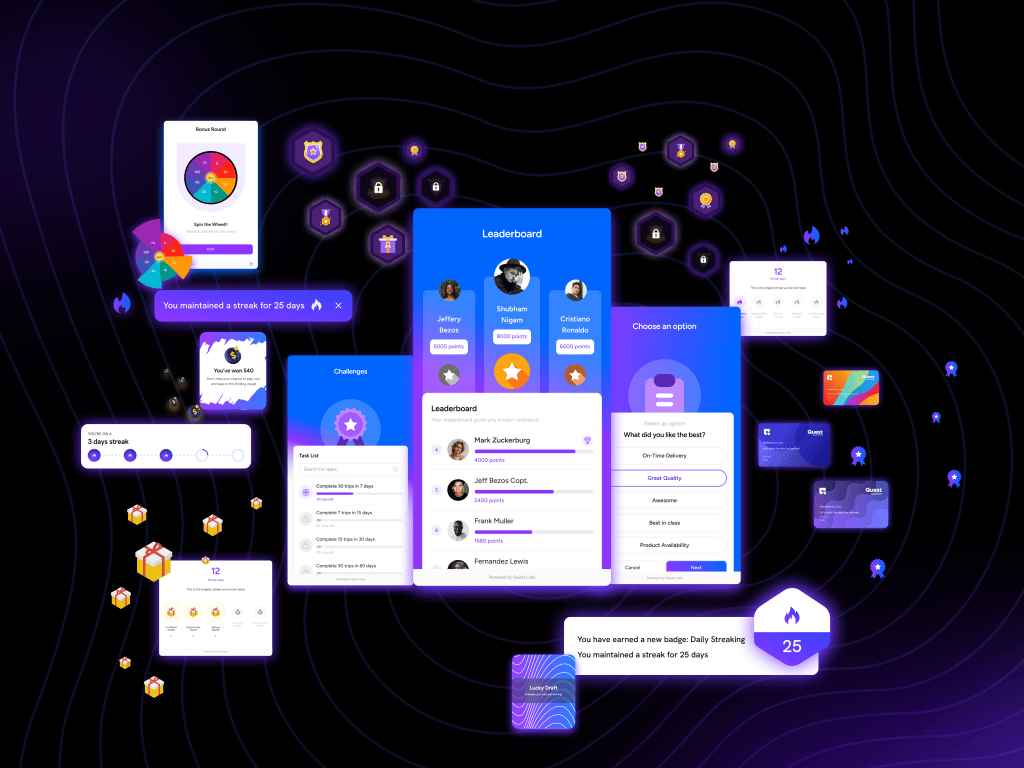
Gamifying participation through quests, rare NFT awards, unlockable avatar accessories and leaderboard rankings allows games to continually incentivize active player bases rather than transient audiences. Analytics shape incentives balancing extrinsic rewards with community purpose.
Axie Infinity demonstrated play-to-earn viability while The Sandbox reimagines worldbuilding as collaborative creativity. Both games allow trading rare collectibles on secondary markets, leveraging scarcity and provenance to breed durable player engagement beyond just gameplay incentives.

Interoperable tokenized assets enable player agency over in-game wealth accumulation and open composition into new gameplay formats. NFTs confer social status and access rights to committed players. User-governed economies and owned assets foster longer-term investments as participants share governance responsibilities.
Web3 enables owned community spaces rather than platform dependencies while persistent cross-game reputations and achievements strengthen social connections across titles. Transparent incentive structures coordinated by DAOs also facilitate collective decision-making in community growth.
Jurisdictional variances in property definitions require nuanced approaches ensuring compliance and preventing player exploitations – situations amplified by pseudo-anonymity risks. Solutions like geo-blocking certain features or localized fiat on-ramps help games responsibly incorporate open financial features.
While initial gamification techniques promote user acquisition, emphasizing mastery, social belonging and creative challenges sustains longer-term retention as extrinsic rewards risk dilution over time. Dynamic meta-game layers on top of base mechanics also refresh sunk-cost boredom.
As ecosystem infrastructure matures to support scalability and cross-chain interoperability, seamless integration between vast persistent worlds collectively built by players and developers may manifest – each world with own situation-specific tokens and reputational credentials. Real-world identities verified on chain also reduce risks.
Services like Quest Protocol ease unveiling Web3 games to players through structured learning quests teaching terminology and functionality paired with opportunity to test driving missions. Tutorial stages scaffold adoption while achievements persist across integrated titles to signal reputation credentials.
Want to learn more about Quest Labs? Contact us: https://calendly.com/debparna/15-min